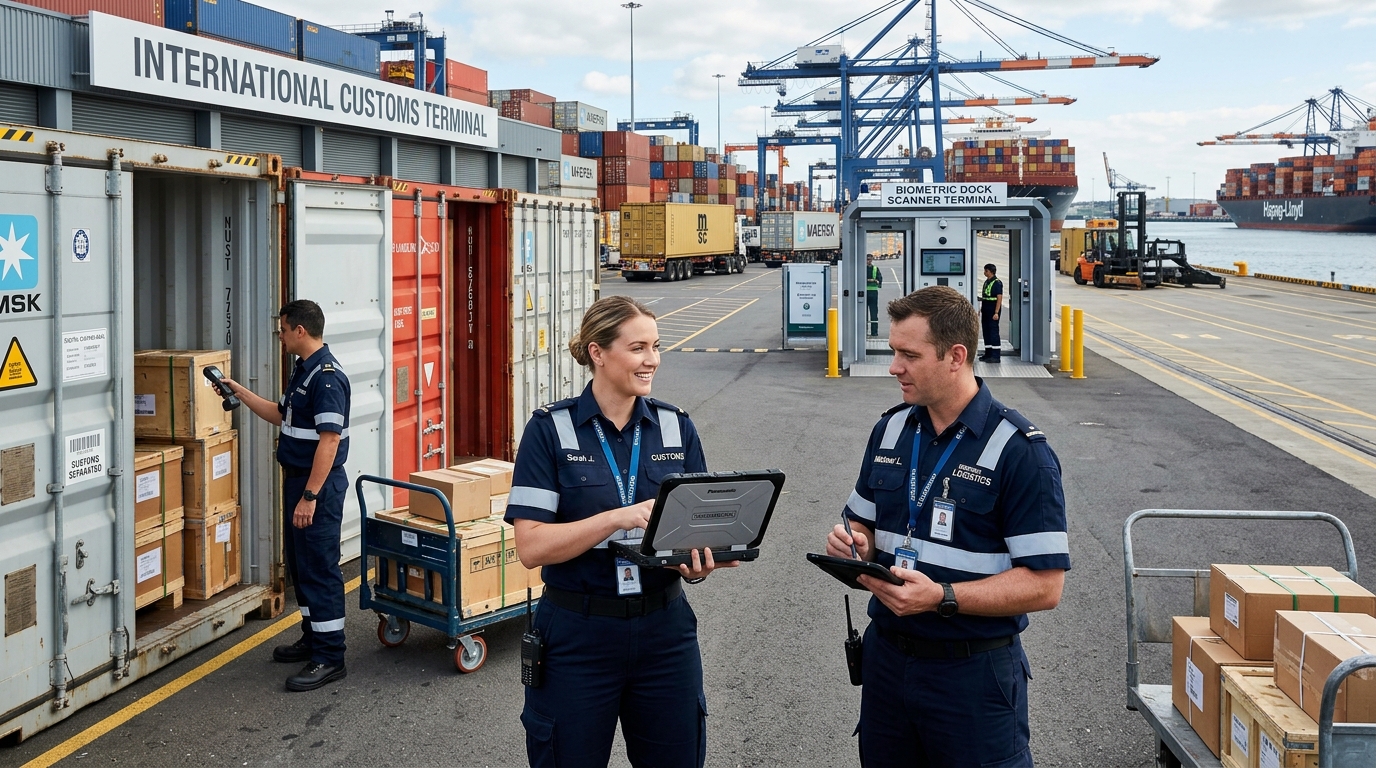
International ocean shipping in 2026 continues to experience structural shifts in carrier scheduling, fuel surcharge adjustments, and prolonged routing around the Cape of Good Hope. Cargo owners must adapt by combining predictive transit scheduling with diversified carrier allocation.
1. The Evolving Maritime Transit Matrix
Over the past 24 months, standard vessel transit times between Indian coastal hubs such as Nhava Sheva (JNPT) and European terminals like Rotterdam and Hamburg have widened by 10 to 14 days. These extended voyage lengths absorb vessel capacity, driving container turnarounds to historic highs and necessitating earlier booking lead times.
Geopolitical Bottlenecks and Route Adjustments
Carriers have deployed supplementary tonnage along the African shoreline. While reliability has stabilized relative to early disruption periods, bunker consumption and carbon ETS premiums have increased the total cost of landed cargo. Understanding these adjustments is critical when calculating CIF and DDP obligations.
Managing Blank Sailings and Rolling Cargo
When demand fluctuates across trade loops, alliances implement coordinated blank sailings to maintain rate floors. For shippers, this creates an acute risk of rolled containers at transshipment ports like Colombo and Singapore. Working with an experienced freight forwarder with multi-carrier contracts is essential to guarantee space allocations.
2. Proactive Capacity & Inventory Safeguards
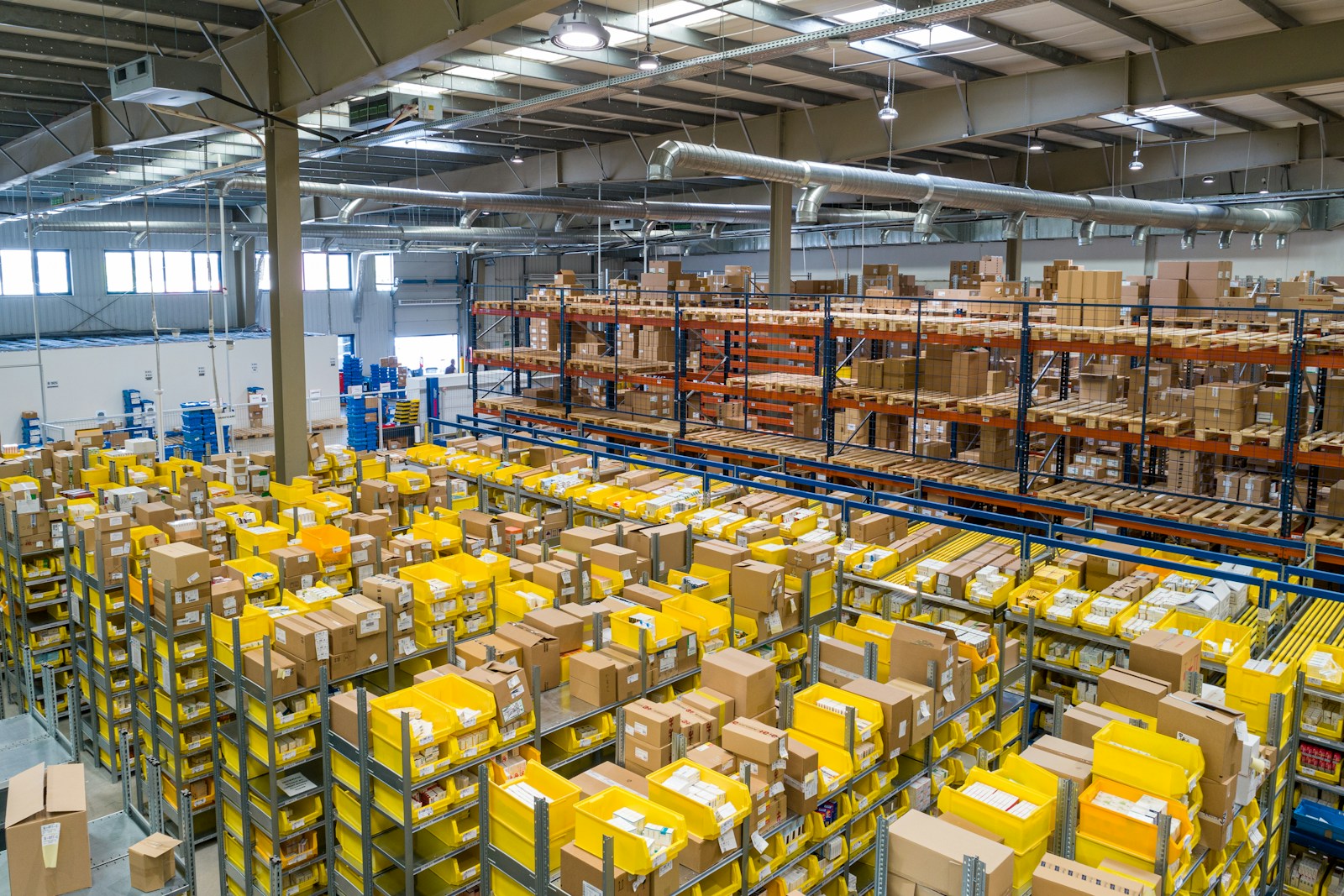
To hedge against unexpected port dwell times, progressive logistics teams are recalibrating their safety inventory levels and leveraging localized bonded warehousing near ports of origin.
- Buffer Lead Times: Integrate dynamic 12-day safety buffers on Europe-bound shipments.
- Equipment Pre-allocation: Secure 20ft and 40ft High Cube containers 14 days prior to cargo readiness dates.
- Split-Consignment Strategies: Dispatch critical baseline inventory via expedited sea-air combinations while sending bulk volume on standard ocean loops.
3. Digital Milestone Visibility
Modern freight forwarding is no longer merely moving steel boxes across the ocean; it is the real-time synchronization of telemetry, bills of lading, customs paperwork, and container milestones. Leveraging centralized tracking dashboards enables logistics leaders to anticipate delays and notify downstream distribution channels days before vessel docking.
"Supply chain resilience is not achieved by avoiding disruption, but by building operational agility that executes contingency routings before competitors even detect the bottleneck."
4. Summary & Strategic Outlook
As vessel alliances deploy next-generation dual-fuel container ships throughout 2026, shippers who maintain flexible routing agreements and partner with established multimodal logistics providers will maintain an enduring commercial advantage.