Port congestion and highway transit variability can severely disrupt production assembly schedules. Multimodal logistics fuses maritime berthing, block train rail services, and dedicated container road convoys to slash transit variances and carbon footprints.
1. The Western Dedicated Freight Corridor (WDFC) Impact
The commissioning of high-speed rail corridors capable of handling double-stack container trains has revolutionized inland transit between Nhava Sheva and northern manufacturing centers. Transit times that previously consumed 72 hours via congested roadways now clock under 24 hours via synchronized rail wagons.
2. Choosing Between Direct Port Delivery (DPD) and ICD Routing
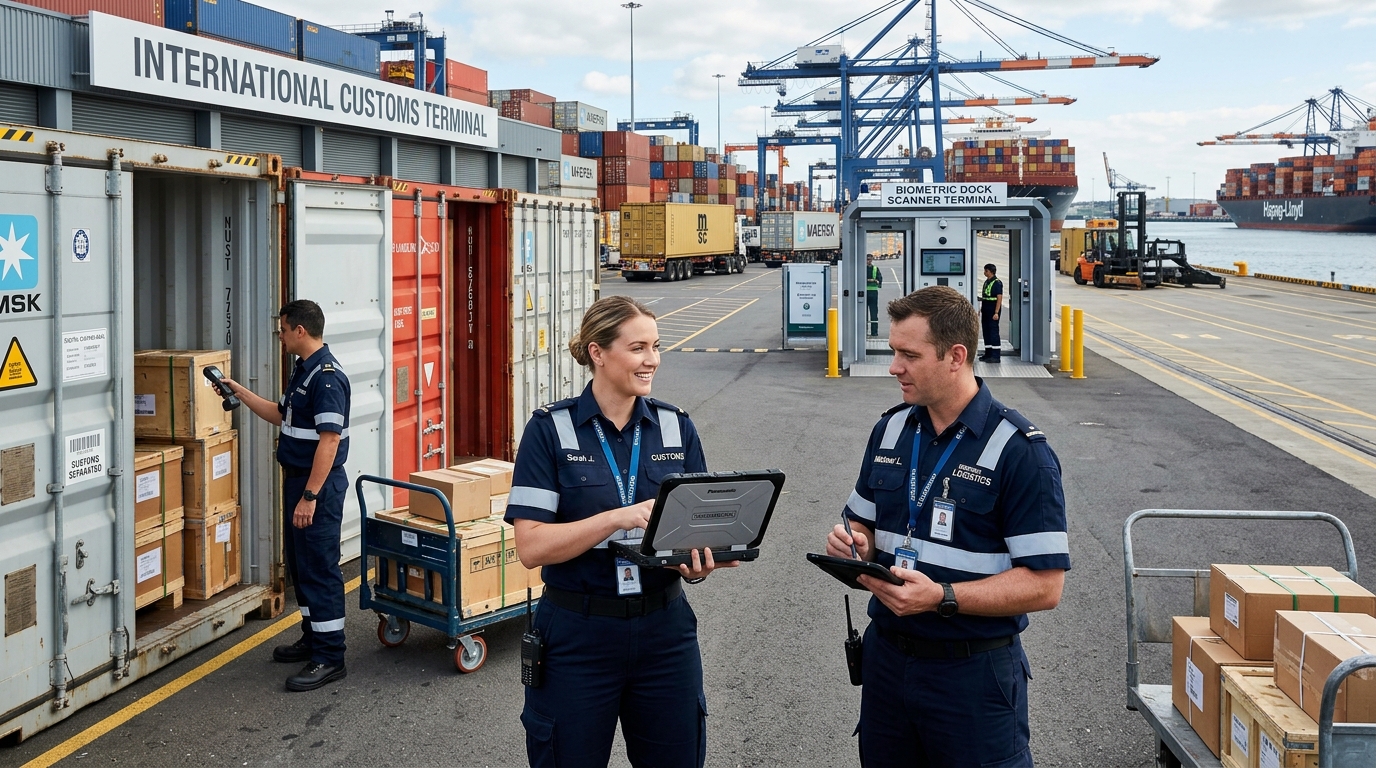
Importers with regular volume can register for Direct Port Delivery (DPD) to clear customs directly at the port terminal gate, bypassing off-dock CFS stops and transferring containers immediately to bonded road trailers destined for their warehouse.
3. Fleet Telematics and Real-Time Asset Tracking
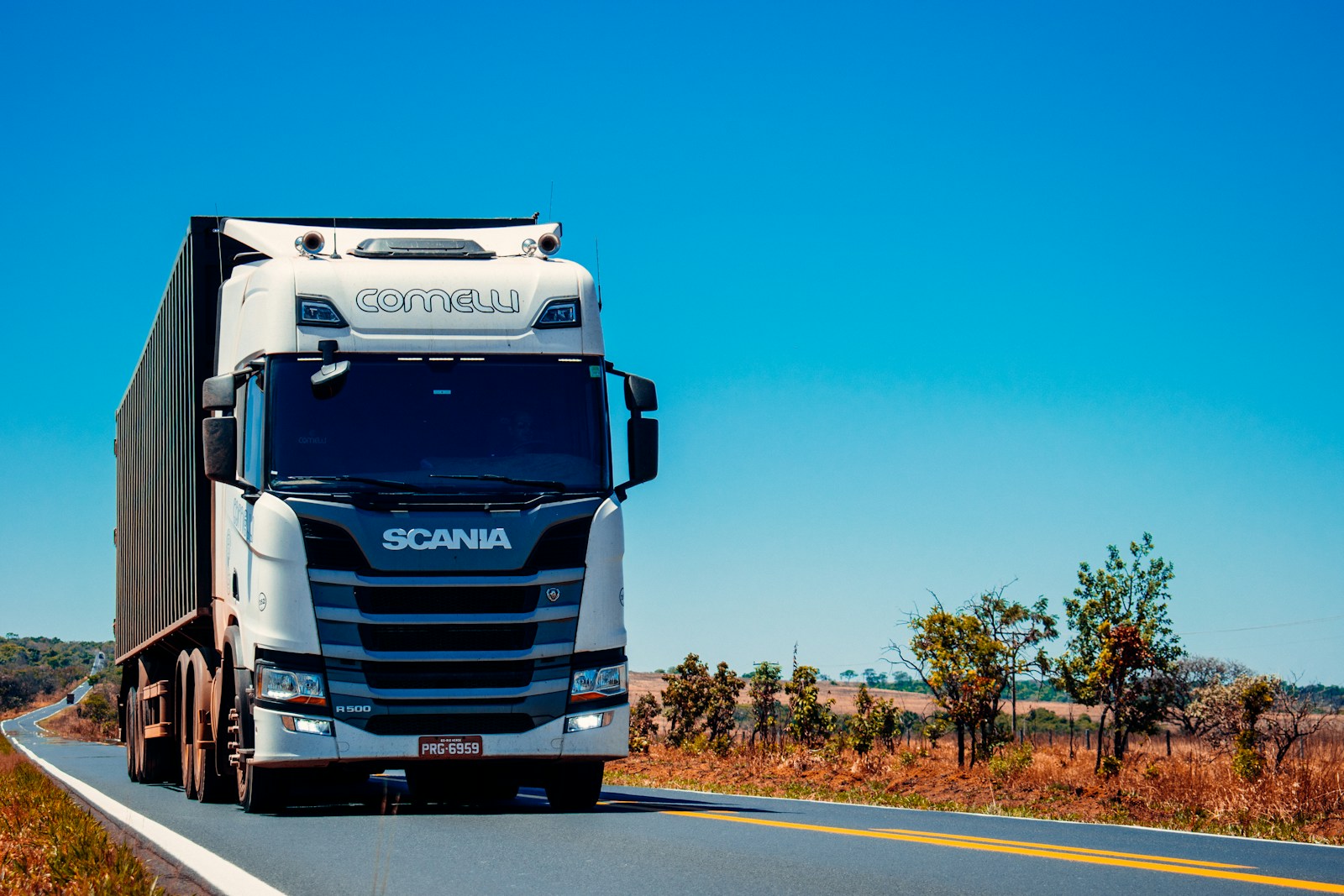
Alora Shipping’s transportation fleet utilizes IoT-connected GPS units, electronic tamper-evident e-locks, and dual-driver systems to ensure high-value electronics and automotive parts arrive strictly on schedule without detours or unauthorized stops.