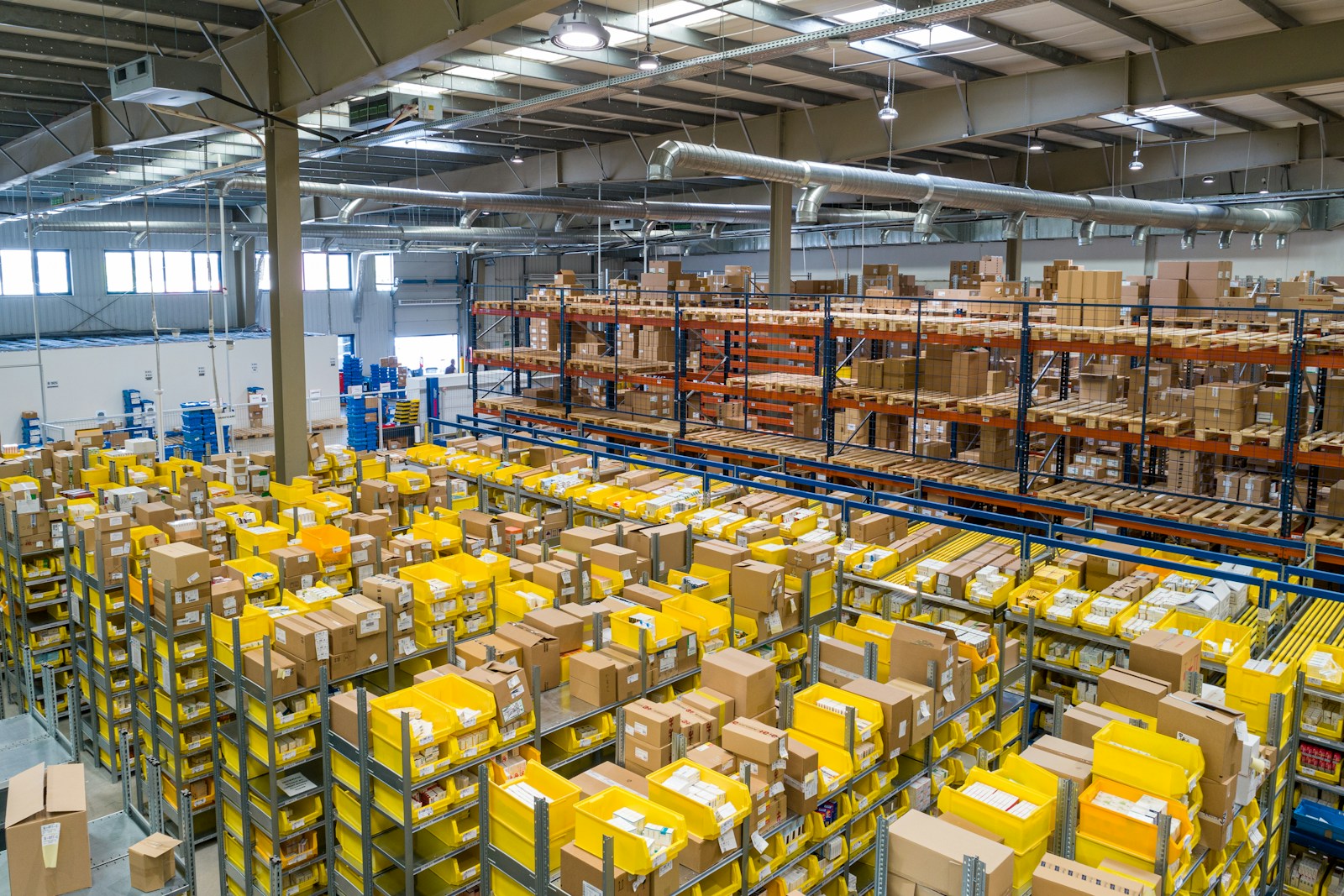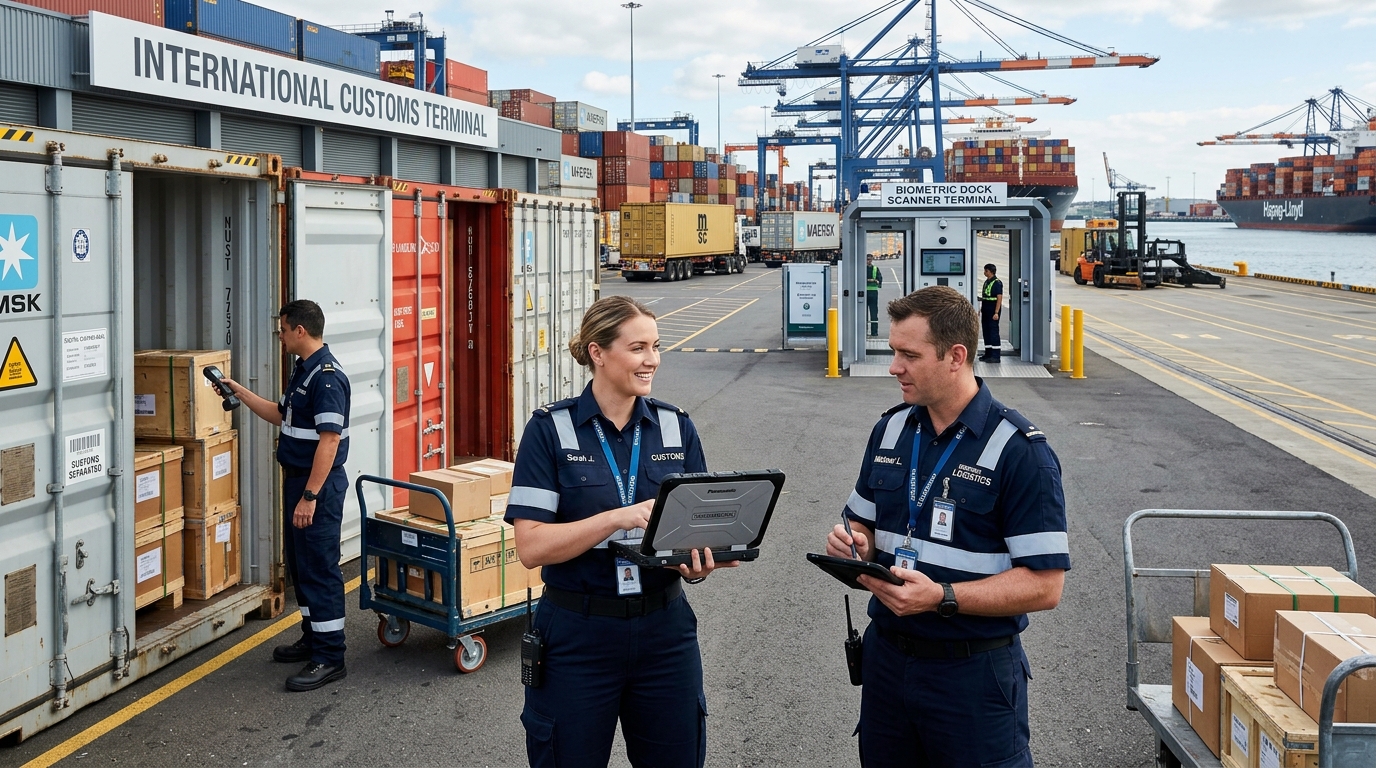
Exporting flammable solvents, toxic agrochemicals, and corrosive substances across international waters demands zero-tolerance safety discipline. One incorrectly labeled drum or improper container stowage can lead to port refusal, heavy fines, or severe catastrophic marine fires.
1. Classification and the 9 Hazard Classes
Every dangerous goods consignment begins with accurate classification into one of the nine IMO hazard categories, ranging from Class 1 (Explosives) to Class 3 (Flammable Liquids), Class 8 (Corrosives), and Class 9 (Miscellaneous Dangerous Substances).
2. UN Packaging Certification (UN Spec Drums & IBCs)
Chemicals must be packed in containers certified by authorized government testing agencies (like the Indian Institute of Packaging). Packaging groups (PG I, II, or III) dictate the severity of impact, drop, and hydrostatic pressure testing required.
3. Mandatory Documentation: The IMO Dangerous Goods Declaration
A compliant DGD must clearly indicate the UN Number, Proper Shipping Name (PSN), Class, Packing Group, Flashpoint (for flammable liquids), and a 24-hour emergency telephone contact manned by technically competent personnel.