Maritime Logistics

Green Shipping & Decarbonization: How IMO 2030 Mandates Impact Commercial Freight Rates

M
Meera Srinivasan
Hazmat Safety Compliance Lead
Sep 12, 2026 6 min read 34 views
Share:
Executive Summary & Core Takeaways

Evaluating CII vessel ratings, green corridor corridors, bio-methanol adoption, and how European ETS maritime carbon surcharges are reshaping freight contracts.

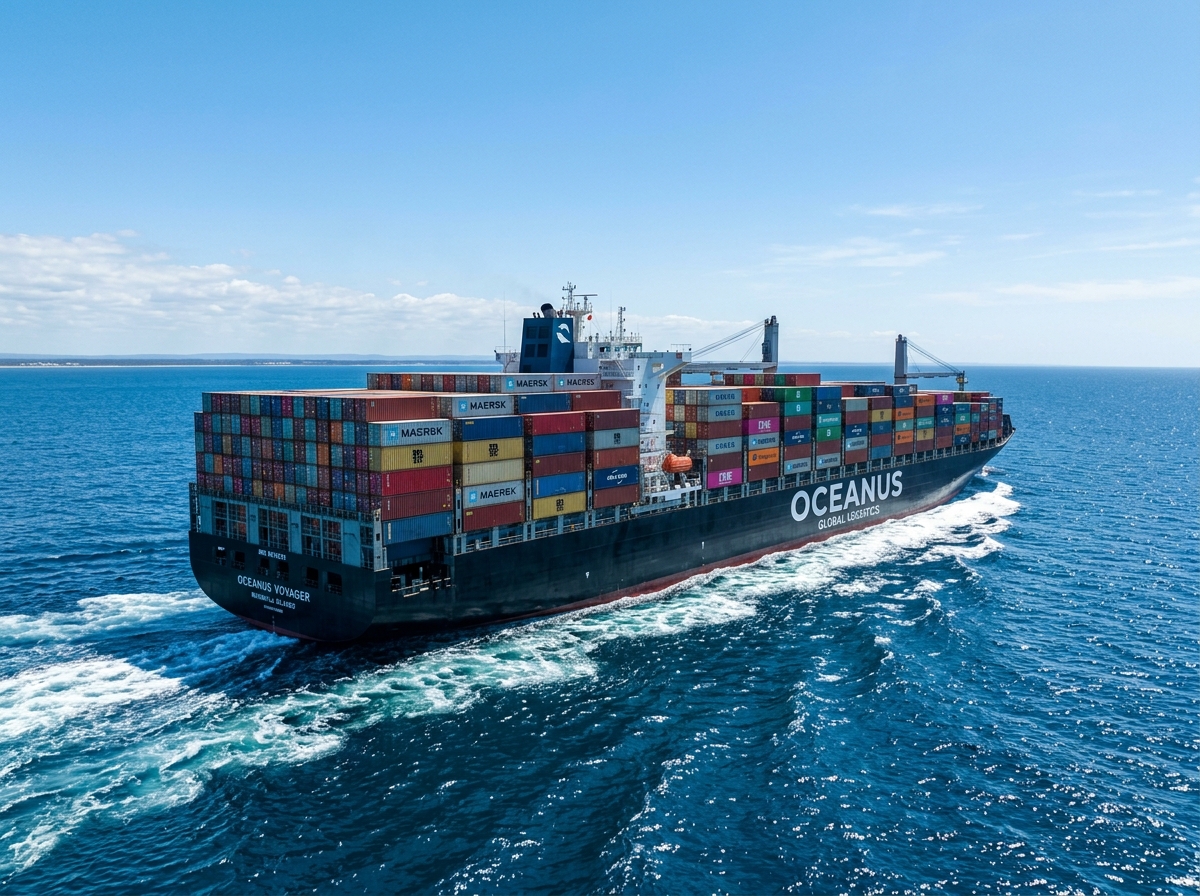
The maritime shipping industry is steering through its most consequential regulatory transformation since the transition from sail to steam: decarbonizing international deep-sea vessel traffic.

1. Carbon Intensity Indicator (CII) and Slow Steaming

Vessels must now report annual operational carbon intensity ratings from A to E. Low-rated vessels are forced to adopt slow-steaming engine speeds, extending sea passage duration by 2 to 4 days across major Asia-Europe trade lanes.

2. The Rise of Alternative Bunker Fuels

Carriers are investing billions in dual-fuel container vessels powered by green methanol, liquefied natural gas (LNG), and ammonia. While these fuels slash greenhouse gas emissions by up to 80%, their production scarcity commands high fuel premiums that are passed onto shippers.

M
Author & Subject Specialist

Meera Srinivasan

Hazmat Safety Compliance Lead at Alora Shipping Private Limited

Specializing in end-to-end multimodal logistics, licensed Indian customs agent operations at Nhava Sheva (JNPT), and specialized project cargo handling connecting Indian commercial hubs to worldwide sea and air freight lanes.

Inquire with our logistics desk

Recommended Maritime Insights

Continue reading expert perspectives on international freight, customs clearance, and global supply chain strategies.

Browse Full Articles Directory