Misinterpreting Incoterms is among the primary drivers of commercial litigation and disputed demurrage bills between international trading partners. Knowing precisely where risk passes across the ship rail is essential.
1. Maritime-Specific Incoterms (FAS, FOB, CFR, CIF)
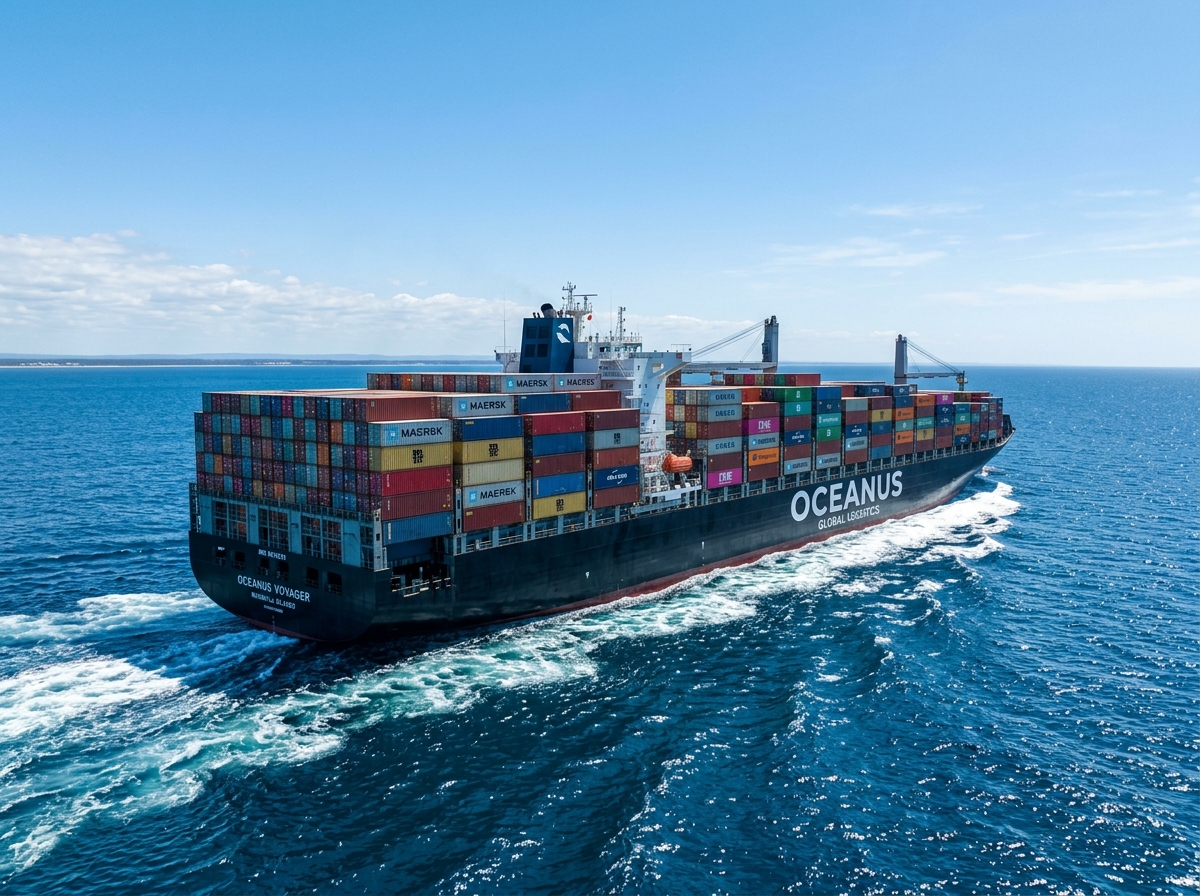
FOB (Free On Board) dictates that the seller is responsible for inland transportation, export customs clearance, and loading cargo onto the vessel. The moment the goods pass the ship rail, all carriage risk shifts to the overseas buyer.
2. Multimodal Terms (EXW, FCA, CPT, CIP, DAP, DDP)
In modern containerized trade, ICC recommends using FCA instead of FOB, because container handover usually happens at an inland container terminal or CFS rather than alongside the vessel hull.
3. The DDP (Delivered Duty Paid) Caveat
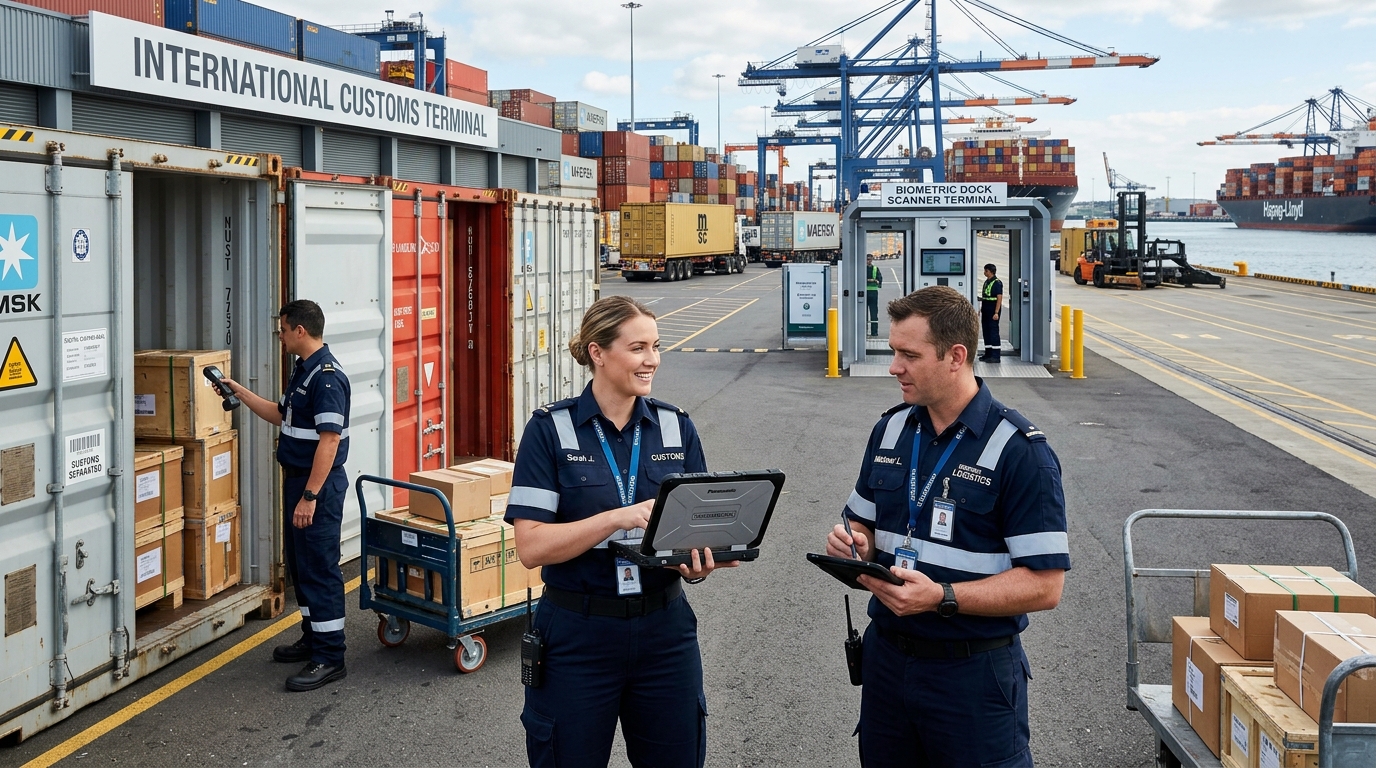
Under DDP, the seller undertakes maximum liability, including import customs duties, local VAT/GST, and destination unloading. Without a local entity or trusted customs broker at the destination port, sellers risk immense regulatory exposure.