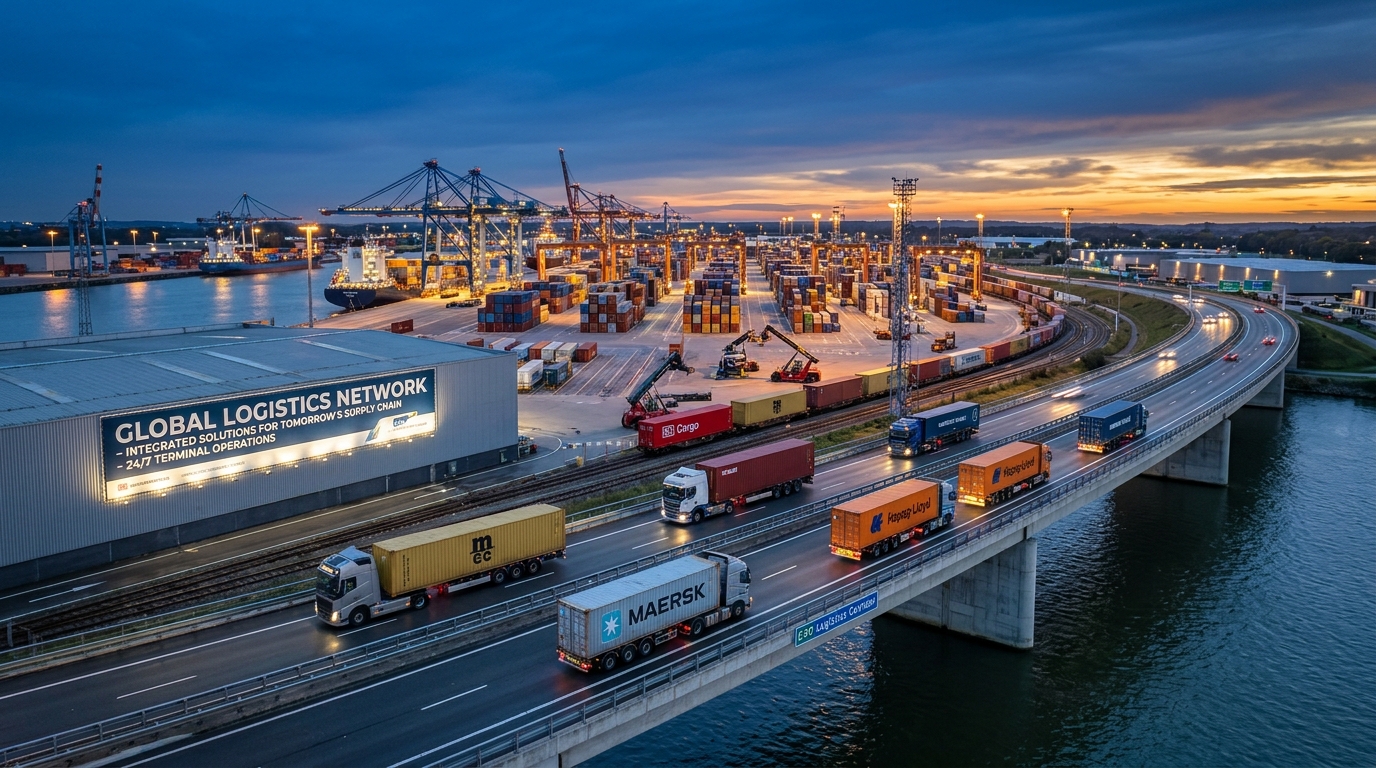
Freight Forwarding

Air Cargo vs Ocean Freight: Selecting the Optimal Trade Route for High-Value Goods

C
Capt. Rajesh Varma
VP of Maritime Operations
Sep 26, 2026 5 min read 32 views
Share:
Executive Summary & Core Takeaways

A financial and operational matrix comparing air freight speed against ocean shipping volume economics for high-value electronics, pharmaceuticals, and critical automotive spares.

Choosing between 48-hour air transit and 28-day ocean freight is not simply a question of freight cost per kilogram. It requires calculating inventory holding costs, depreciation risks, customer SLA penalties, and product shelf-life constraints.

1. The Total Landed Cost Equation

While ocean freight is typically 4 to 6 times cheaper than air freight by weight, air cargo drastically cuts working capital locked in transit inventory. For high-margin electronics and luxury goods, the financial interest savings frequently offset air freight surcharges.

2. Hybrid Sea-Air Solutions

A powerful intermediate model is sea-air forwarding. Cargo is shipped via fast ocean carrier to a mid-point hub (such as Dubai or Singapore), transloaded into air containers (ULDs), and flown to European or American destinations, halving ocean transit time at 50% the cost of pure air freight.
C
Author & Subject Specialist

Capt. Rajesh Varma

VP of Maritime Operations at Alora Shipping Private Limited

Specializing in end-to-end multimodal logistics, licensed Indian customs agent operations at Nhava Sheva (JNPT), and specialized project cargo handling connecting Indian commercial hubs to worldwide sea and air freight lanes.

Inquire with our logistics desk

Recommended Maritime Insights

Continue reading expert perspectives on international freight, customs clearance, and global supply chain strategies.

Browse Full Articles Directory